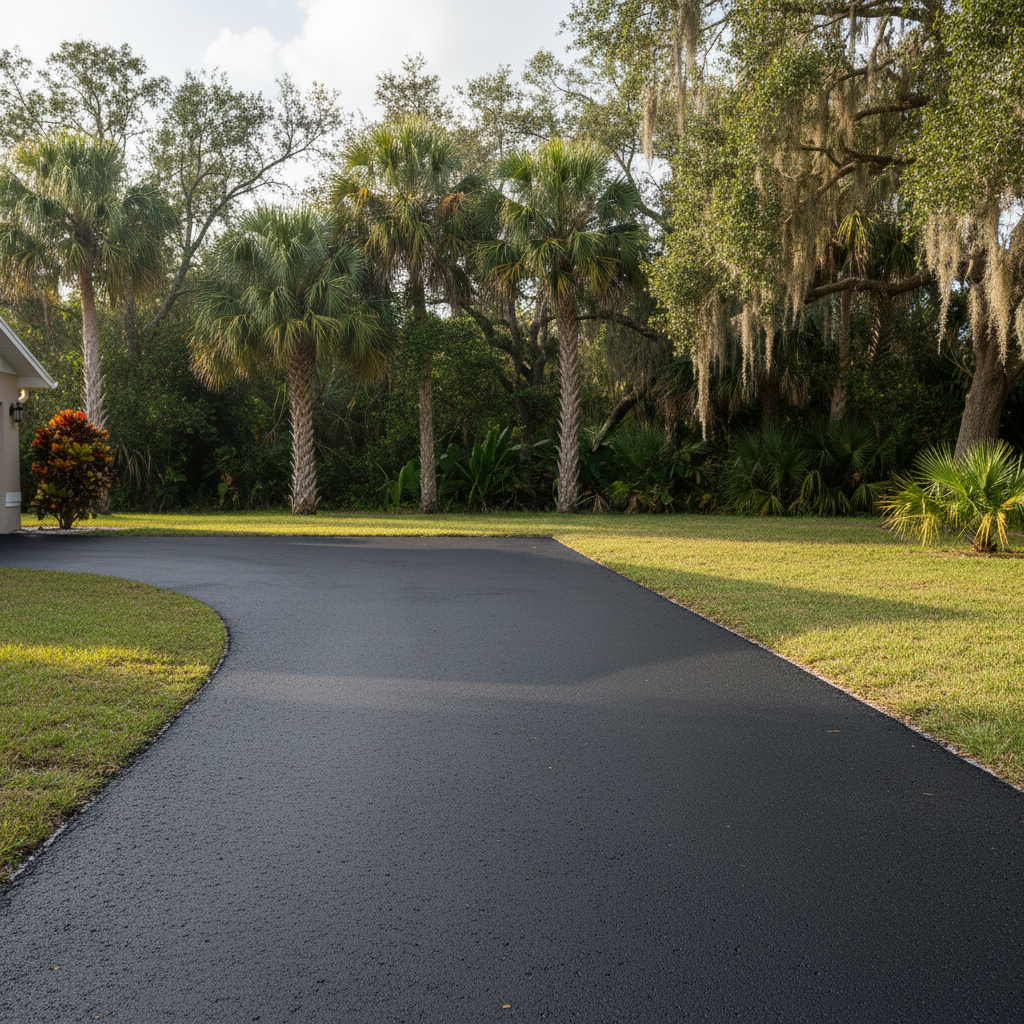
Alright, let's talk driveways. You just got a new one, or maybe you're looking at getting one, and you want to make sure it lasts. That's smart thinking, especially with the kind of weather we get here in New Port Richey. I've seen countless driveways over the years, and I can tell you, a little bit of care goes a long way in extending its life.
Extending Your Driveway's Life: It's Easier Than You Think
First off, think about what your driveway goes through. Sun, rain, heavy vehicles, oil drips – it's a lot. The biggest thing you can do to extend its life is pretty straightforward: sealcoating. For asphalt, this isn't just about making it look pretty; it's a protective shield. Our intense Florida sun, with its UV rays, breaks down the binder in asphalt over time, making it brittle and prone to cracking. Sealcoating every 2-3 years, depending on traffic and sun exposure, puts a fresh layer of protection down. It's like sunscreen for your driveway.
For concrete, sealing is also crucial, but it's a different product. Concrete sealers help prevent water penetration, which can lead to spalling or cracking, especially if you've got standing water issues. It also helps resist stains from oil or rust. Don't skip it.
Another big one is drainage. We get some serious downpours here. If water is pooling on your driveway, it's going to cause problems. Standing water, especially in low spots, can erode the base material under your pavement, leading to sinking and cracks. Make sure your gutters are working right and directing water away from the driveway, and if you see persistent puddles, it's something to address.
Regular Maintenance: The Small Stuff That Matters
You don't need to be out there every day, but some routine checks can save you a headache later. Here's what I recommend:
- Keep it Clean: Sweep off dirt, leaves, and debris regularly. Organic matter can hold moisture against the surface, leading to algae growth or degradation.
- Address Spills Immediately: Oil, gas, transmission fluid – these things eat away at asphalt and can stain concrete permanently. Use an absorbent material like cat litter or sand, then clean with a degreaser. Don't let it sit.
- Weed Control: Weeds and grass love to push through cracks. Pull them out as soon as you see them. If they get established, their roots can widen cracks and cause more damage. A little weed killer can help too.
- Don't Overload It: If you've got a heavy RV or a commercial truck, try not to park it in the exact same spot all the time. Spreading the load around or parking it on a reinforced area can prevent premature rutting or depressions.
Warning Signs: When to Pay Closer Attention
Your driveway will tell you when it's hurting. You just need to know what to look for:
- Cracks: Small, hairline cracks are normal as pavement ages, but if they start getting wider than a quarter-inch, or you see a lot of them connecting (like alligator skin), that's a sign of a bigger problem. Water gets into these cracks, freezes (rare, but it happens), expands, and makes things worse. Or, more commonly here, it just keeps washing away the base material.
- Potholes: These are usually the result of neglected cracks. Water gets in, the base fails, and a section of pavement breaks away. Don't let them sit; they'll only get bigger.
- Fading or Discoloration: For asphalt, this means the binder is oxidizing and losing its protective qualities. For concrete, it might indicate a failing sealer or surface deterioration.
- Pooling Water: As I mentioned, standing water is a red flag. It means your drainage isn't working or your driveway has settled.
- Soft Spots or Rutting: If you feel the pavement giving way under your feet or see tire tracks forming depressions, it means the base layer underneath is failing. This is a serious issue.
When to Call a Professional
You can handle a lot of the small stuff yourself, but some jobs are best left to the pros. If you're seeing any of those major warning signs – widespread alligator cracking, significant potholes, large areas of sinking or rutting, or persistent drainage problems – it's time to call someone like us at Pioneer Asphalt Co. We've got the equipment and the know-how to properly diagnose the issue and fix it right.
Patching a pothole yourself might work for a bit, but if the underlying cause isn't addressed, it's just a temporary fix. We can assess the base, repair or replace damaged sections, and make sure your driveway is structurally sound for the long haul. Don't wait until a small problem becomes a complete driveway replacement. Catching these issues early can save you a lot of money and hassle down the road.
```